
Understanding Amyloidosis
What is Amyloidosis?
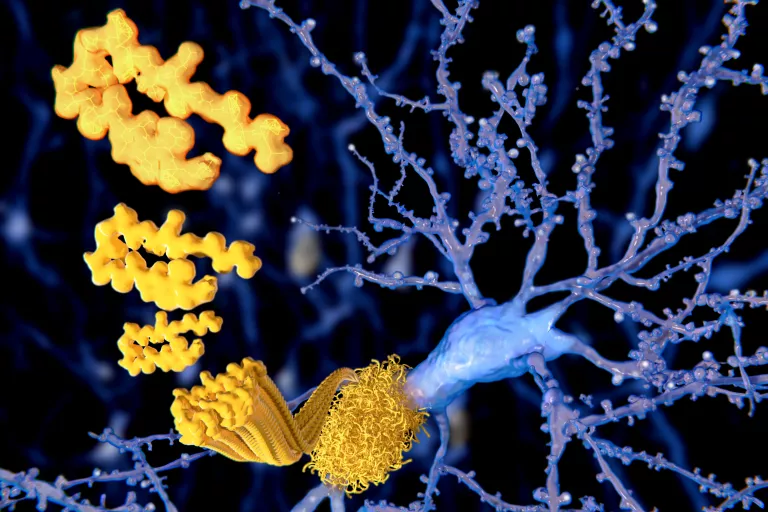
Amyloidosis is a rare condition characterized by the accumulation of abnormal proteins called amyloids. These amyloids are misfolded proteins that clump together and can deposit in tissues and organs, disrupting their normal structure and function.
Amyloids are formed when proteins in the body misfold into an abnormal shape, causing them to clump together instead of folding into their usual functional form. These protein aggregates form fibrils that deposit in tissues, disrupting normal cellular processes and causing damage.

Symptoms
Symptoms of amyloidosis can vary widely based on the organs affected but may include:
-
Fatigue
-
Swelling, especially in legs and ankles
-
Weight loss
-
Difficulty swallowing
-
Shortness of breath
-
Numbness or tingling in the hands or feet
-
Skin changes, such as easy bruising or purplish patches

Types of Amyloidosis
Primary Amyloidosis (AL): This type occurs when the bone marrow produces abnormal antibodies (immunoglobulins) that form amyloid proteins. The excess amyloids can accumulate in various organs.
Secondary Amyloidosis (AA): Develops as a result of chronic inflammatory diseases like rheumatoid arthritis, inflammatory bowel disease, or chronic infections. In these cases, a protein called serum amyloid A (SAA) produced during inflammation forms amyloid deposits.
Hereditary Amyloidosis: Caused by genetic mutations that lead to the production of amyloid proteins. Different mutations on different proteins result in amyloid deposits in various organs, impacting nerve, heart, kidney, or other tissue function. One notable example is TTR Amyloidosis (ATTR), where mutations in transthyretin (TTR) protein cause the formation of amyloid deposits that affect predominantly the hart (Transthyretin Amyloid Cardiomyopathy, ATTR-CM) or the peripheral nerves (Transthyretin Familal Amyloid Polyneuropathy, TTR-FAP). Involvement of other organs can occur but it is uncommon.
Wild-Type (Senile) ATTR Amyloidosis: it has been shown that in absence of mutations in the TTR protein amyloids can still be formed by this protein. Because the non mutated (wild-type) protein is less prone to form amyloids than the mutated forms, the accumulation occurs over a longer period of time, which explains why this disease is most commonly observed at an older age (typically at 65 years of age or older). Improvements in the understanding this type of amyloidosis have led to an increased frequency of detection of this disease, showing that this type of amyloidosis is more common than previously assumed.

Diagnosis
Biopsy: A biopsy involves taking a small sample of affected tissue (often from the abdominal fat pad, bone marrow, or affected organ) to identify amyloid deposits under a microscope.
Blood and Urine Tests: These tests can detect abnormal proteins and assess organ function. High levels of certain proteins, like immunoglobulins or serum amyloid A, can indicate amyloidosis.
Mass Spectrometry: Mass spectrometry is a powerful tool used to analyze proteins and can identify the specific type of amyloid protein present, aiding in accurate diagnosis.
Imaging Tests: X-rays, CT scans, MRIs, or echocardiograms may be used to visualize affected organs and detect amyloid deposits.
Treatment Options
Medications: Chemotherapy drugs, corticosteroids, or medications targeting abnormal protein production can help reduce the amount of amyloid produced.
Stem Cell Transplant: For some AL amyloidosis cases, a stem cell transplant aims to replace diseased bone marrow cells with healthy ones, potentially slowing the progression of the disease.
Organ Support: Treatments may focus on managing symptoms and complications specific to affected organs, such as heart or kidney issues.
While there's currently no cure, treatments can help manage symptoms and slow the progression of the disease. Regular monitoring and a tailored treatment plan coordinated with healthcare professionals are crucial for improving the quality of life for individuals with amyloidosis.